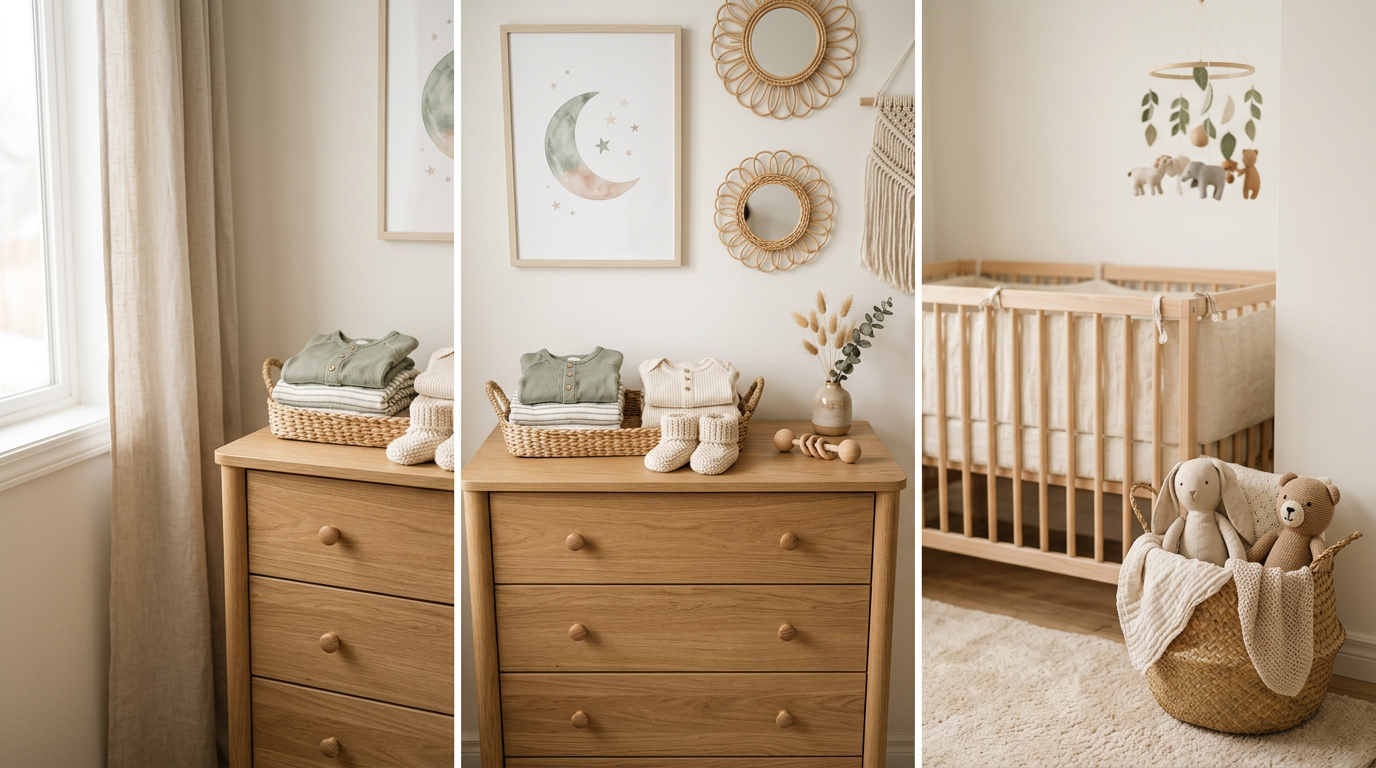
Welcoming a new baby into the world is an extraordinary milestone, but preparing for their arrival during the chilly winter months can feel incredibly overwhelming for expectant parents. As the crisp October air transitions into the deep freeze of winter, ensuring your little one stays perfectly warm, safe, and comfortable is likely your top priority. Newborns are not yet able to regulate their own body temperature, meaning they rely entirely on us to dress them appropriately for freezing outdoor walks and cozy, heated indoor spaces alike. To help you navigate this beautiful but busy season, the AlHannan editorial team has put together the ultimate newborn winter wardrobe checklist. This guide is packed with parent-approved recommendations, safety-focused advice, and stylish nursery integration tips designed to help you prepare with absolute confidence.
We understand that walking down the baby clothing aisle can trigger a wave of decision fatigue. With so many adorable options, from tiny fleece booties to miniature snowsuits, it is easy to overspend on items your baby might wear only once. That is why our approach focuses on practical, high-quality layers that grow with your baby and keep daily dressing as simple as possible. By focusing on smart fabrics, safe layering techniques, and efficient storage solutions, you can curate a winter wardrobe that is both highly functional and beautifully aligned with your home aesthetic. Let us dive into everything you need to keep your winter newborn warm, safe, and stylish from day one.
The Golden Rules of Winter Layering for Newborns
Before buying a single item of clothing, it is essential to understand the science and safety of dressing a newborn for cold weather. The general rule of thumb recommended by pediatricians is to dress your baby in one additional layer than you would comfortably wear in the same environment. If you are comfortable indoors in a long-sleeve t-shirt, your baby will likely need a long-sleeve bodysuit paired with a cozy sleep sack or footed sleeper. Layering is incredibly effective because it traps warm air between the fabric layers, allowing you to easily add or remove garments as you move between heated indoor rooms and chilly outdoor spaces.
When selecting fabrics for your newborn winter wardrobe checklist, prioritize natural, breathable fibers over synthetic ones. Organic cotton, bamboo, and fine merino wool are exceptional choices because they insulate beautifully while allowing moisture to escape, preventing your baby from overheating. While synthetic fleece is highly popular for winter, it can trap sweat and lead to overheating if used in poorly ventilated indoor environments. Save heavy fleece garments for outdoor strollers or car seat transfers, and stick to breathable cotton base layers for indoor rest.
Safety must always remain at the forefront of your wardrobe choices, particularly when it comes to sleep and travel. According to the Consumer Product Safety Commission (CPSC) guidelines, loose blankets, quilts, and heavy comforters should never be placed in a baby crib, as they pose a significant suffocation hazard. Instead, rely on wearable blankets, also known as sleep sacks, to keep your baby warm during sleep. Additionally, never place your newborn in a car seat wearing a bulky snowsuit or heavy winter coat. In a crash, the fluffy padding compresses instantly, leaving the harness dangerously loose. Instead, dress your baby in thin, warm layers and tuck a warm blanket over the buckled harness once they are safely secured.
The Ultimate Newborn Winter Wardrobe Checklist: Item by Item
1. Essential Base Layers (Onesies and Bodysuits)
Your baby’s base layer is their second skin, so it needs to be exceptionally soft, breathable, and easy to change. We recommend having 7 to 10 long-sleeve organic cotton onesies in your winter wardrobe. Look for envelope-style shoulders, which allow you to pull the bodysuit down over the baby’s body instead of over their head in the event of a messy diaper blowout. Kimono-style wrap shirts are also a fantastic, parent-approved alternative for the first few weeks, as they avoid irritating the healing umbilical cord stump and do not require sliding anything over your newborn’s delicate head.
2. Middle Layers (Footed Sleepers and Rompers)
For daily wear and sleep, footed pajamas (often called sleepers) are absolute essentials. Plan to add 5 to 8 footed sleepers to your registry. When shopping, prioritize sleepers with two-way zippers rather than snap buttons. Trying to line up dozens of tiny metal snaps during a 3:00 AM diaper change in a chilly room is a challenge every new parent wants to avoid. Look for options with built-in fold-over mitten cuffs to keep sharp newborn fingernails from scratching delicate faces, and integrated footies to keep tiny toes warm without the need for easily lost socks.
3. Cozy Outerwear (Pram Suits and Stroller Buntings)
For outdoor adventures, doctors’ appointments, or winter strolls, you will need 1 or 2 high-quality outer layers. A fleece pram suit or insulated bunting is perfect for keeping your baby protected from freezing winds. Ensure the outerwear has a wide, generous fit so it can easily layer over onesies and footed sleepers. Remember, these bulky layers are strictly for stroller rides and outdoor carrier walks, never for the car seat. For car travel, invest in a shower-cap style car seat cover that stretches over the top of the infant carrier without interfering with the harness straps.
4. Essential Accessories (Hats, Booties, and Mittens)
Newborns lose a significant amount of body heat through their heads, making hats a critical part of your winter prep. Acquire 3 to 4 soft, snug-fitting cotton or knit beanies. For feet, standard baby socks are notorious for slipping off within seconds. Instead, invest in 3 to 4 pairs of snap-on or hook-and-loop fleece booties, which stay securely fastened around the ankles. Finally, have 3 pairs of soft cotton mittens on hand to protect their face and provide an extra layer of warmth when stepping outside.
Registry Must-Haves vs. Nice-to-Haves
When compiling your baby registry, it is easy to get swept up in beautiful, miniature outfits that look stunning but offer little practical value. To keep your budget intact and avoid cluttering your home, it is helpful to divide your winter wardrobe into absolute must-haves and optional nice-to-haves. Must-haves include long-sleeve bodysuits, two-way zipper sleepers, cotton sleep sacks with appropriate TOG (Thermal Overall Grade) ratings, and secure booties. These are the workhorse items your baby will wear day in and day out.
Nice-to-haves include highly stylized items like tiny cable-knit sweaters, holiday-themed corduroy overalls, designer denim jackets, and miniature snow boots. While these items are undeniably adorable for family photos or holiday gatherings, they are often stiff, difficult to put on a floppy newborn, and quickly outgrown. If you are planning your purchases around seasonal sales, utilize a Black Friday shopping budget checklist to ensure you prioritize the functional essentials first before splurging on decorative, single-use holiday outfits.
Nursery Wardrobe Organization and Small Space Layouts
Once you have gathered your newborn winter wardrobe checklist essentials, organizing them efficiently will save you endless stress during those sleep-deprived early weeks. Winter baby clothes, sleep sacks, and cold-weather accessories can quickly overwhelm a small nursery if not managed correctly. We highly recommend utilizing structured dresser drawer organizers for baby clothes to categorize items by size and type. Group your long-sleeve onesies, footed sleepers, and cold-weather accessories into separate compartments so you can grab exactly what you need with one hand while keeping your other hand safely on your baby.
If you are working with a small nursery layout, maximize your vertical space. Hang floating shelves for extra storage, or use an over-the-door organizer for hats, booties, and mittens. To create a cohesive, calming environment, draw inspiration from current nursery design trends like warm neutral earth tones, soft boho accents, or a cozy Cottagecore baby room decor aesthetic. These design styles embrace natural wood elements, soft textiles, and vintage-inspired charm, making your winter nursery feel like a warm, inviting sanctuary. To support healthy sleep hygiene during shorter winter days, ensure your nursery layout includes high-quality blackout curtains to block out early morning light and streetlights, keeping the room dark and conducive to restful naps.
Step-by-Step Guide: How to Dress Your Newborn for Winter Environments
Dressing a newborn can feel like a guessing game, but following a systematic routine can help you ensure they are perfectly comfortable in any setting. Here is our step-by-step guide to dressing your baby for winter, whether you are staying indoors or heading out into the cold:
- Step 1: Assess the Room Temperature. Keep your indoor nursery temperature between 68°F and 72°F (20°C to 22°C). This is the optimal range recommended by pediatricians to prevent both chilling and overheating.
- Step 2: Apply the Base Layer. Start with a short-sleeve or long-sleeve organic cotton onesie. This layer hugs the torso and keeps diaper leaks contained.
- Step 3: Add the Main Layer. Layer a two-way zip cotton footed sleeper over the onesie. For daytime play in a drafty room, you can add soft cotton pants over a bodysuit instead.
- Step 4: Choose the Right Sleep Sack. For sleep, place your baby in a wearable sleep sack. Check the TOG rating: a 1.0 TOG sack is ideal for standard room temperatures, while a 2.5 TOG sack is perfect for cooler rooms (below 68°F).
- Step 5: Prepare for the Outdoors. If heading outside, add a warm knit hat, snap-on booties, and place the baby in a fleece pram suit. Once in the stroller, tuck a breathable knit blanket over their lap.
- Step 6: Perform the Touch Test. To check if your baby is too hot or too cold, feel their chest or the back of their neck. Their skin should feel warm and dry. Do not judge their temperature by their hands or feet, as extremities naturally feel cooler to the touch due to developing circulation.
Parent-Approved Products for a Cozy Winter
To help you complete your shopping with ease, we have compiled a list of highly rated, parent-approved winter essentials across various price points:
- Organic Cotton Long-Sleeve Onesies: Brands like L’ovedbaby and Burt’s Bees Baby offer incredibly soft, GOTS-certified organic cotton options ranging from $10 to $25. They are gentle on sensitive newborn skin and hold up beautifully in the wash.
- Two-Way Zipper Footed Sleepers: Kyte Baby and Little Sleepies are famous for their ultra-soft bamboo rayon sleepers, which offer natural temperature regulation. These range from $32 to $40 and stretch generously to grow with your baby.
- Stay-On Fleece Booties: Zutano fleece booties are a legendary registry favorite. Priced around $20 to $25, their unique two-snap design ensures they stay securely on your baby’s feet all day.
- Safe Winter Sleep Sacks: The HALO SleepSack or Woolino 4-Season Sleep Bag (made from merino wool) are exceptional choices. HALO options range from $25 to $40, while the heirloom-quality Woolino ranges from $100 to $110 but lasts from 2 months to 2 years.
Conclusion: Embrace the Season with Confidence
Preparing your newborn winter wardrobe checklist is one of the most exciting ways to count down the days until your little one’s arrival. By focusing on high-quality, breathable base layers, practical two-way zippers, and safe sleep alternatives to loose blankets, you are building a wardrobe that is safe, stylish, and incredibly functional. Remember to prioritize comfort and safety above all else, ensuring your nursery is organized, cozy, and ready to welcome your bundle of joy into a warm, loving home.
As you design your dream nursery and finalize your baby registry, take it one step at a time. Surround yourself with supportive tools, beautiful designs, and practical items that make daily parenting just a little bit easier. For more inspiration on creating a safe and nurturing space for your little one, explore our detailed guides on nursery setup, organization, and timeless decor styles. Your journey into parenthood is going to be beautiful—stay warm, trust your instincts, and enjoy every single cozy cuddle this winter!