Ditch the Microwave Queue: Why Cold Lunches Are Your New Secret Weapon
It is 12:15 PM on a Tuesday. You are standing in the office breakroom, waiting in a sad, slow-moving line to use a microwave that smells faintly of yesterday’s reheated salmon. By the time you heat your meal, half your break is gone, and the chicken breast you painstakingly prepped on Sunday has turned into a rubbery, dry shoe-leather texture. There is a better way to fuel your body during a demanding workday. Embracing healthy no reheat work lunches is not just a time-saver; it is a game-changer for your energy levels, your palate, and your sanity.
As a certified nutritionist, I hear the same complaint constantly: “Healthy food tastes terrible cold, but I do not have time to cook or heat food at work.” Let’s bust that myth right now. Healthy does not mean boring, and cold does not mean tasteless. When you design meals specifically meant to be eaten chilled or at room temperature, you unlock vibrant textures, crisp greens, and complex dressings that actually taste better as they marinate in your lunch box. Plus, with the busy Q4 holiday season and year-end deadlines fast approaching, saving those precious midday minutes allows you to actually step away from your screen and recharge.
In this comprehensive guide, we are going to break down the exact science of building a satisfying cold lunch, map out a realistic 75-minute prep routine for the week, and share four nutrient-dense recipes that will keep you full until dinner. No microwave required, no sad soggy salads, and absolutely no rubbery chicken.
The Nutrition Science Behind the Perfect Cold Lunch
To keep your focus sharp during the afternoon slump, your lunch needs to do more than just fill your stomach; it must stabilize your blood sugar. When you eat a lunch dominated by simple carbohydrates (like white bread sandwiches or sugary store-bought wraps), your blood glucose spikes, triggering a massive insulin release that leaves you foggy and reaching for a third cup of coffee by 2:00 PM.
The secret to sustained energy lies in a precise macronutrient trifecta: lean protein, complex carbohydrates rich in fiber, and healthy, unsaturated fats. Protein stimulates the release of satiety hormones like peptide YY and GLP-1, while healthy fats slow down gastric emptying, keeping you full for hours. Furthermore, cold starch sources like cooked and cooled quinoa, wild rice, or buckwheat noodles contain higher levels of resistant starch. Resistant starch acts like soluble fiber; it escapes digestion in the small intestine, feeding your beneficial gut bacteria and preventing rapid insulin spikes.
If you are looking to round out your weekly meal prep with budget-friendly warm dinners that pair beautifully with these cold lunches, check out our guide on Cabbage Steaks: The Ultimate Budget Meal Prep Guide. Balancing cold, crisp midday meals with warm, comforting evening dishes is the ultimate strategy to keep your diet exciting and sustainable throughout the chilly autumn and winter months.
The Anatomy of a No-Reheat Lunch That Actually Satisfies
Building a successful cold lunch requires a strategic framework. You cannot simply throw random ingredients into a container and hope for the best. To prevent your food from turning into a soggy, unappealing mess by Wednesday, follow this four-part structural matrix:
1. The Protein Anchor
Your protein source must remain appetizing when chilled. While grilled chicken breast can dry out, shredded or poached chicken thighs retain their moisture. Plant-based proteins like chickpeas, edamame, and black beans are naturally excellent cold because they do not lose their structural integrity. If you prefer seafood, lean on canned wild albacore tuna or salmon, but keep food safety and storage limits top of mind.
2. The Non-Soggy Vegetable Base
Ditch delicate butter lettuce or baby spinach as your primary base if you are prepping days in advance. Instead, build your meals around sturdy, cruciferous vegetables. Shredded purple cabbage, Tuscan kale, shaved Brussels sprouts, broccoli florets, and English cucumbers hold up incredibly well to dressings, maintaining a satisfying crunch even after 72 hours in a container.
3. The Smart Carb
Avoid white rice or standard pasta, which harden and turn chalky when refrigerated. Instead, opt for ancient grains like quinoa, farro, wild rice, or buckwheat soba noodles. These grains retain a pleasant, chewy texture when cold and provide the essential dietary fiber needed to support healthy digestion.
4. The Emulsified Dressing
A thin, watery vinaigrette will quickly pool at the bottom of your container, leading to uneven flavor and soggy ingredients. Instead, use emulsified dressings built on a base of tahini, Greek yogurt, nut butters, or blended avocado. These thick binders cling to your ingredients, ensuring every bite is rich, flavorful, and satisfying.
4 High-Protein, No-Reheat Recipes for Your Workweek
Let’s put this theory into practice. Here are four high-protein, nutrient-dense recipes designed specifically to be eaten cold. Prep once, eat all week, and fuel your body with premium nutrition.
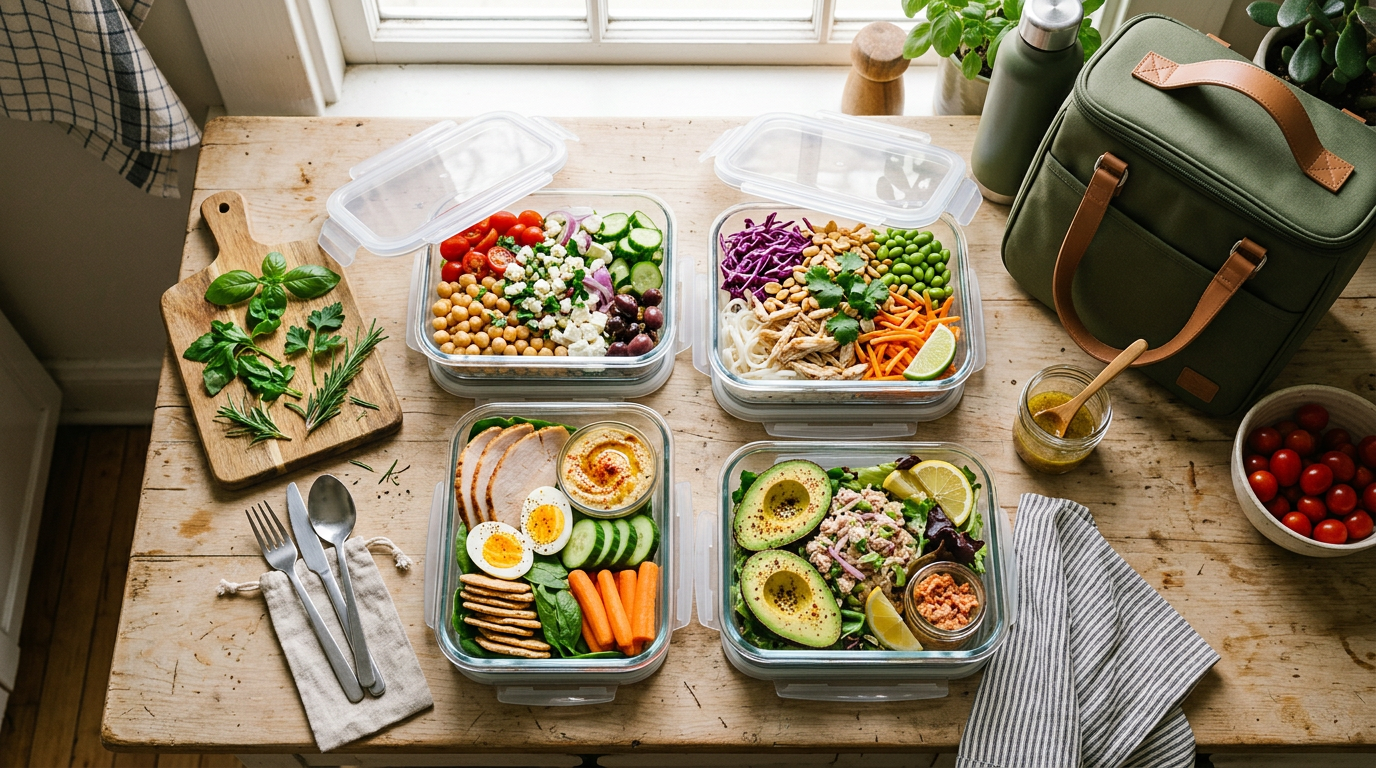
Recipe 1: Mediterranean Chickpea and Quinoa Salad
This vibrant, fiber-packed salad is naturally gluten-free and vegetarian. The quinoa absorbs the lemon-herb vinaigrette over time, making it taste even better on day three.
- Prep Time: 15 minutes | Cook Time: 15 minutes
- Storage: Store in airtight glass containers for up to 4 days.
- Macros (per serving): 480 kcal | 16g Protein | 58g Carbs | 18g Fat | 12g Fiber
Ingredients (4 Servings):
- 1 cup dry quinoa (rinsed and cooked in vegetable broth)
- 2 cans (15 oz each) low-sodium chickpeas, rinsed and drained
- 2 cups English cucumber, diced
- 1.5 cups cherry tomatoes, halved
- 1/2 cup Kalamata olives, pitted and chopped
- 1/2 cup crumbled feta cheese (optional; omit for dairy-free)
- Dressing: 3 tbsp extra virgin olive oil, juice of 2 lemons, 2 cloves minced garlic, 1 tbsp dried oregano, salt, and black pepper to taste.
Instructions: Cook the quinoa according to package instructions and let it cool completely. In a large bowl, combine the cooled quinoa, chickpeas, cucumber, cherry tomatoes, olives, and feta. Whisk the dressing ingredients together in a small bowl, pour over the salad, and toss thoroughly to combine. Divide evenly into four meal prep containers.
Recipe 2: Sesame Peanut Chicken Noodle Bowl
Soba noodles, made from buckwheat, are the ultimate cold noodle. Paired with shredded chicken and a rich peanut sauce, this meal delivers a massive dose of protein and healthy fats.
- Prep Time: 20 minutes | Cook Time: 10 minutes
- Storage: Store in airtight containers for up to 4 days.
- Macros (per serving): 540 kcal | 38g Protein | 48g Carbs | 20g Fat | 6g Fiber
Ingredients (4 Servings):
- 8 oz buckwheat soba noodles
- 3 cups cooked chicken breast or thighs, shredded
- 2 cups purple cabbage, finely shredded
- 1 cup shelled edamame, steamed
- 1 cup carrots, julienned
- Peanut Dressing: 1/3 cup creamy peanut butter (or almond butter), 2 tbsp low-sodium soy sauce (or tamari), 1 tbsp toasted sesame oil, 1 tbsp honey, 1 tbsp rice vinegar, 2-3 tbsp warm water to thin.
Instructions: Cook soba noodles according to package directions (usually 5-6 minutes). Drain and immediately rinse with cold water to stop the cooking process and remove excess starch. In a large bowl, combine the noodles, shredded chicken, cabbage, edamame, and carrots. Whisk the peanut dressing ingredients until smooth, pour over the noodle mixture, and toss to coat. Divide into four containers and garnish with sesame seeds.
Recipe 3: Spicy Tuna Salad and Avocado Boats
Crucial Food Safety Note: Because seafood and cut avocado oxidize and degrade quickly, do not keep this recipe in the fridge for more than 1 to 2 days. This is your perfect Monday-Tuesday lunch solution!
- Prep Time: 10 minutes | Cook Time: 0 minutes
- Storage: Store in airtight containers. Consume within 1 to 2 days maximum.
- Macros (per serving): 390 kcal | 32g Protein | 12g Carbs | 24g Fat | 8g Fiber
Ingredients (2 Servings):
- 2 cans (5 oz each) wild albacore tuna in water, drained
- 3 tbsp plain Greek yogurt (replaces heavy mayonnaise for a protein boost)
- 1 tbsp sriracha (adjust to taste)
- 1/2 cup celery, finely diced
- 2 green onions, sliced
- 2 ripe avocados
- Juice of 1 lime (essential to prevent browning)
Instructions: In a medium bowl, flake the tuna with a fork. Mix in the Greek yogurt, sriracha, celery, green onions, salt, and pepper. Slice the avocados in half and remove the pits. Squeeze the fresh lime juice generously over the exposed avocado flesh to prevent oxidation. Pack the tuna salad in one compartment of your container and the avocado halves in another. Just before eating, scoop the tuna salad directly into the avocado halves.
Recipe 4: High-Protein Turkey and Hummus Bento Box
The ultimate zero-cook, assembly-only lunch. This bento box is packed with clean, whole-food sources of protein and fiber to keep you sharp and energized.
- Prep Time: 15 minutes | Cook Time: 0 minutes
- Storage: Store in divided bento containers for up to 4 days.
- Macros (per serving): 460 kcal | 35g Protein | 22g Carbs | 26g Fat | 9g Fiber
Ingredients (4 Servings):
- 12 oz high-quality deli turkey breast (nitrite-free), rolled
- 4 large hard-boiled eggs, peeled and halved
- 1 cup classic or garlic hummus
- 2 cups baby carrots and cucumber slices
- 1 cup snap peas
- 1/2 cup raw almonds or walnuts
Instructions: Using a divided meal prep container, allocate one section for the rolled turkey breast and halved hard-boiled eggs. Place the hummus in a leakproof condiment cup. Fill the remaining compartments with the fresh vegetables and raw nuts. Keep chilled until ready to eat.
The 75-Minute Sunday Prep Strategy
Let’s talk about execution. Many food bloggers claim you can whip up four distinct, gourmet, healthy no reheat work lunches in just 30 minutes. As a professional meal prep coach, I am here to tell you that is highly unrealistic. When you factor in washing vegetables, chopping produce, boiling eggs, cooking grains, and whisking three distinct dressings, a realistic timeline is 60 to 90 minutes of focused work. Let’s aim for a highly efficient 75-minute window on Sunday afternoon.
Here is your step-by-step game plan to maximize efficiency and minimize dishes:
- Minute 0-15 (The Hot Zone): Start your water boiling for the soba noodles and the hard-boiled eggs. Rinse your quinoa and get it cooking on the stove. By multitasking your cooking elements first, you free up your cutting board.
- Minute 15-35 (The Chop Phase): While the grains and noodles cook, wash and chop all your vegetables: cucumbers, tomatoes, purple cabbage, celery, carrots, and green onions. Group them on a large baking sheet so they are organized and ready to assemble.
- Minute 35-50 (The Dressing Mix): Whisk together your lemon-herb vinaigrette, the spicy peanut sauce, and the Greek yogurt tuna mix. Having your dressings prepped in small jars makes assembly incredibly fast.
- Minute 50-65 (Cool and Assemble): Drain your noodles and rinse them in cold water. Ensure your quinoa is cool before mixing (warm quinoa will wilt your fresh cucumbers!). Assemble the Mediterranean Salad and the Peanut Noodle Bowls.
- Minute 65-75 (The Finish Line): Assemble the Turkey Bento Boxes and prepare the Tuna and Avocado Boats. Seal all your containers, clean down your counters, and congratulate yourself on a week of premium nutrition sorted.
Common Cold Lunch Mistakes to Avoid
To ensure your lunches stay fresh and appetizing, avoid these three critical mistakes:
- Mistake 1: Storing dressings directly on delicate ingredients. If you are adding spinach, arugula, or soft herbs to your lunches, always store the dressing in a separate condiment cup. Only toss them together immediately before eating to prevent wilting.
- Mistake 2: Keeping seafood past its prime. As highlighted in Recipe 3, do not push the limits on seafood. Prepared tuna or salmon salads should be consumed within 48 hours of preparation. If you want a fish-based lunch for Thursday or Friday, prep a canned salmon or tuna salad fresh on Wednesday evening.
- Mistake 3: Using standard plastic containers. Plastic containers absorb odors, stain easily, and degrade over time. Invest in high-quality borosilicate glass containers. They keep your food colder, preserve flavors better, and are infinitely easier to clean.
The Essential Gear for Cold Meal Prep Success
Having the right tools makes meal prepping feel like a professional routine rather than a chore. Here are the specific, highly-rated tools I recommend to my clients:
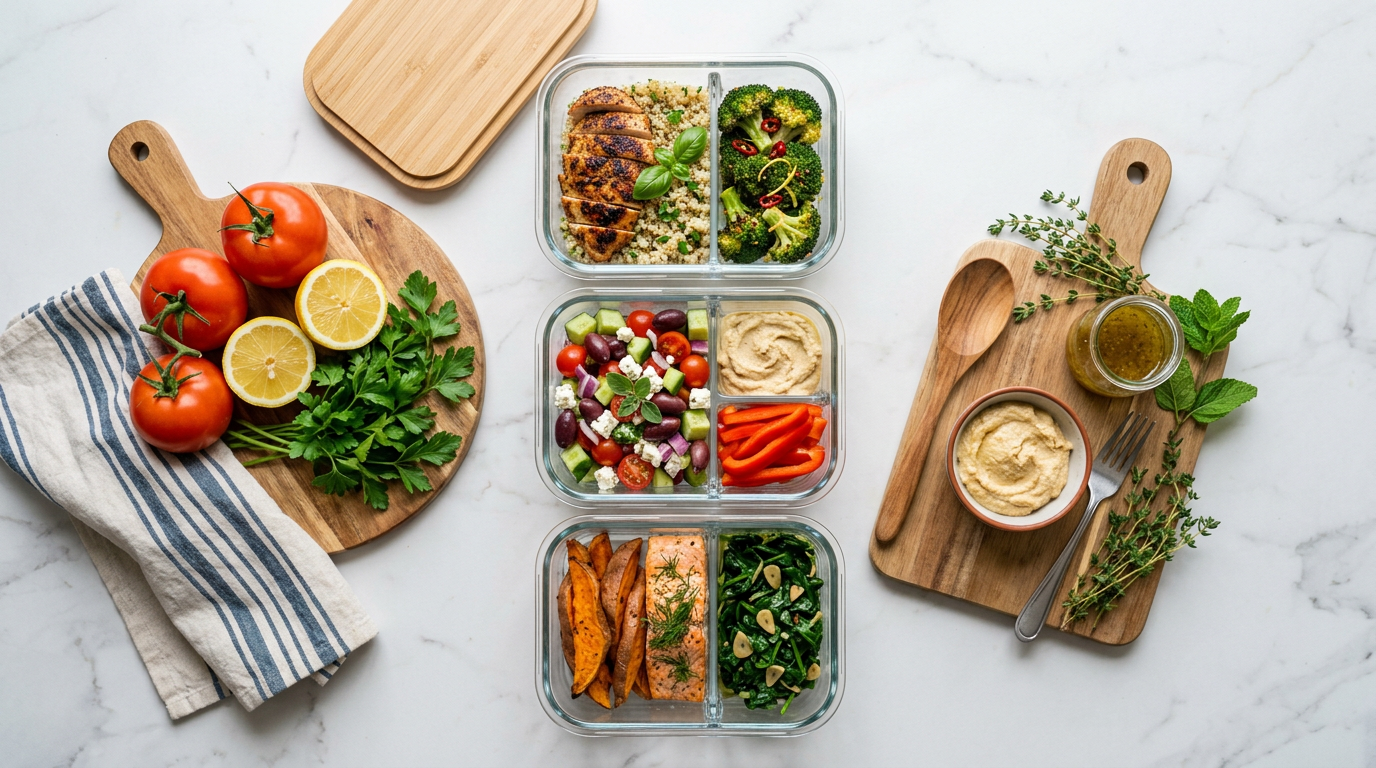
- Compartmentalized Glass Bento Boxes: Look for 3-compartment borosilicate glass containers with leakproof, BPA-free snap lids. These keep your proteins, carbs, and fresh veggies perfectly separated until lunchtime.
- Stainless Steel Condiment Cups: Small, 1.5-ounce stainless steel cups with silicone lids are perfect for holding peanut sauce, vinaigrettes, and hummus without risking a messy leak in your bag.
- Insulated Lunch Bags with Ice Packs: To maintain food safety and keep your meals crisp, invest in a heavy-duty insulated lunch tote. Pair it with slim, reusable gel ice packs to ensure your lunch stays under 40 degrees Fahrenheit during your morning commute.
Conclusion: Prep Once, Fuel Your Body All Week
Transitioning to healthy no reheat work lunches is one of the most practical, high-yield habits you can build for your health. By spending 75 minutes on Sunday preparing nutrient-dense, structurally sound cold meals, you reclaim your lunch break, save money, and avoid the midday energy crashes that derail your productivity. Remember: healthy eating does not have to be boring, and you do not need a microwave to enjoy a delicious, chef-quality meal at your desk.
Take action today. Pick two of the recipes above, add the ingredients to your grocery list, and set aside just over an hour this weekend to prep. Your body, your wallet, and your schedule will thank you. For more expert meal prep strategies and budget-friendly recipes, subscribe to our newsletter and keep your health journey on track all year long.